CREAMING
Air goes in with the sugar
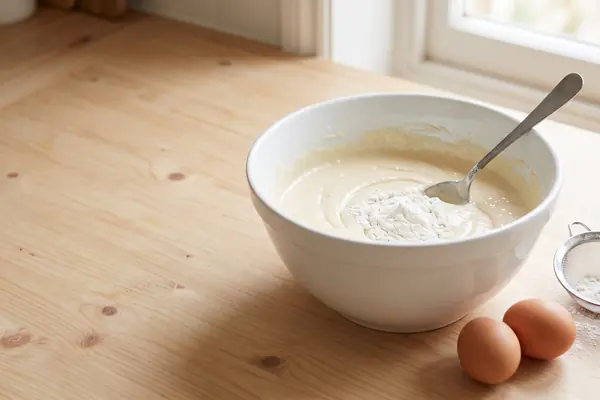
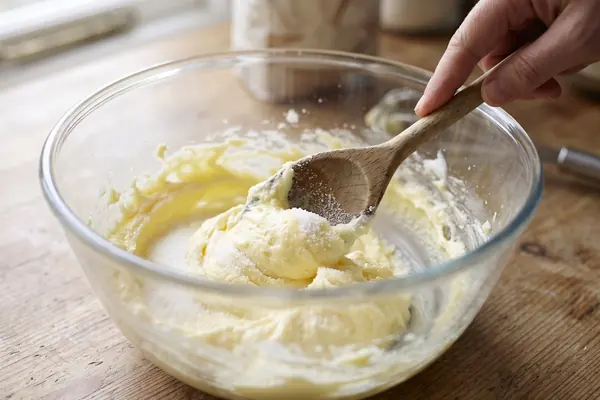
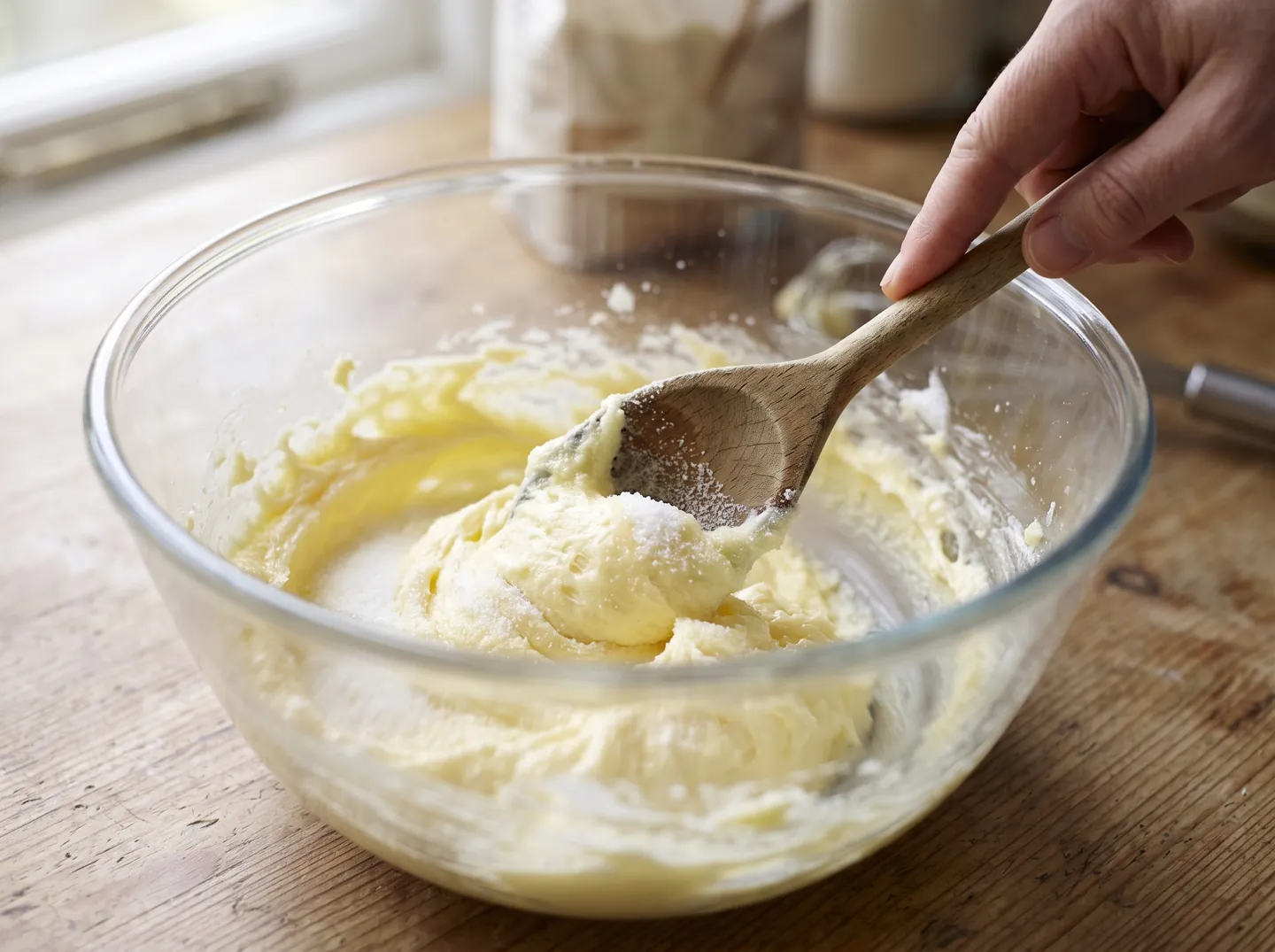
Beating fat with sugar traps air on the faces of the sugar crystals. A Cambridge researcher called air the most important ingredient in a cake.
Check a mixing step airtouchmix
THE SCIENCE OF A LIGHT SPONGE
A cake batter is a liquid full of tiny bubbles, and the cake is only as good as those bubbles.
Check a mixing step
BEAT IT INbefore the oven
Creaming butter and sugar traps the air, eggs coat it, baking powder and steam make it grow, and the oven sets it in place. Here is what each step does, in plain English.
Updated
THE SHORT ANSWER
Raising agents do not make new bubbles.
They inflate the ones you beat in.
CREAMING
Beating fat with sugar traps air on the faces of the sugar crystals. A Cambridge researcher called air the most important ingredient in a cake.
Check a mixing stepRAISING
Carbon dioxide from baking powder joins bubbles that already exist. The number of bubbles in the batter is the number in the finished cake.
See the numbersTHE OVEN
In the oven bubbles swell with heat, steam and gas. Egg proteins set and flour starch forms a gel, which locks the bubbles in place.
Mixing habitsA QUICK MIXING CHECK
Pick a step in a classic creamed sponge to see what it does to the bubbles. The bar shows how much that step adds to the cake's lift.
Based on food science teaching material and research. General kitchen information only.
TWO NUMBERS WORTH KNOWING
One figure on how much bubbles grow in the oven,
one on what creaming does to the mix.
3–5× more
Bubble volume in a finished sponge compared with the air held in the batter
In an ideal case, the Innograin team says the bubble volume in the final sponge is between 3 and 5 times the volume enclosed in the batter, though some gas is always lost.
GROWTH · UNIVERSITY OF VALLADOLID
1–7°C
Temperature rise of fat and sugar during creaming
In tests from 1932 to 1936, longer creaming warmed the mix more. Five minutes of creaming by hand gave volumes similar to 30 minutes on a slow electric mixer.
CREAMING · IOWA STATE, 1939
The same 1939 bulletin found that creamed volume rose to a maximum and then slowly fell with further beating, and that cakes mixed at 25°C scored higher than those mixed at 30°C.
FOUR HABITS TO TRY
These follow from how bubbles behave in batter. They are habits, not rules: recipes vary.
Butter and solid fats trap air when creamed; liquid oil cannot. Caster sugar's finer crystals give more surface for air than granulated.
Get the air in first, then beat the egg in to coat the bubbles. The 1939 Iowa tests found adding egg later in mixing generally gave the best cakes.
Flour is there for structure, not more air: its starch gels in the oven. Mix just until it is smooth so the bubbles you made survive.
Wet baking powder starts giving off gas straight away, and in standing batter bubbles merge and escape. Bake soon after mixing.
WHY CAKES SINK
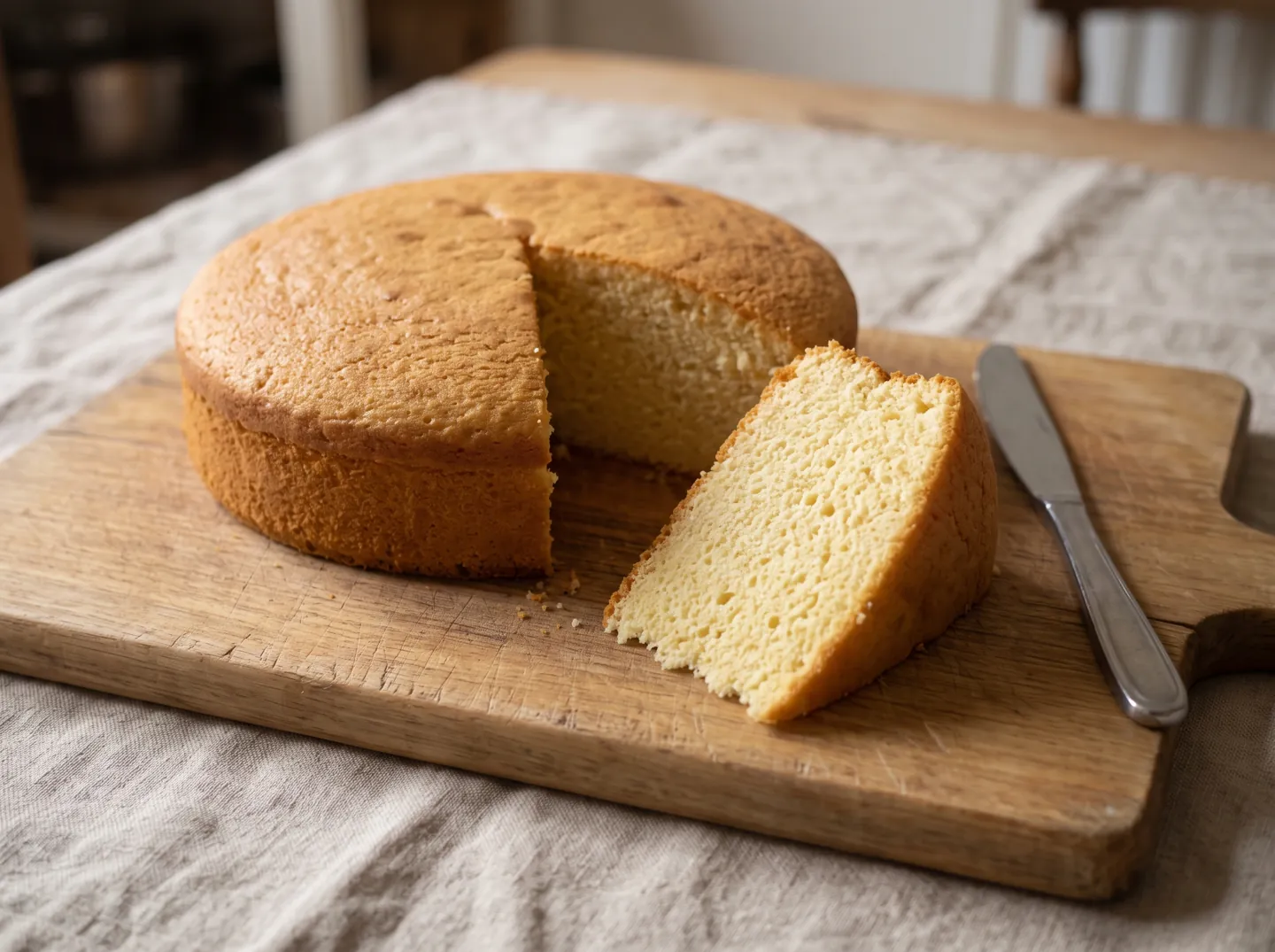
Early in baking the cake is held up by what the Cambridge researcher called pneumatic supports: bubbles surrounded by liquid. Take it out too soon and the bubbles contract as they cool, and the rise falls back, just as a soufflé sinks.
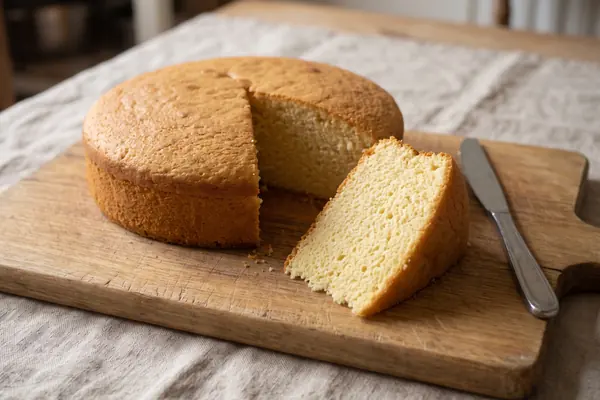
Once the egg proteins and starch have set, the bubbles can no longer expand, so they pop into a connected network. That is why a cut sponge shows an open crumb rather than separate round holes.
Questions
Creaming beats air into the fat, held on the faces of the sugar crystals. The bubbles made now set how many bubbles the cake can have, because no new ones form later.
It is bicarbonate of soda mixed with a dry acid. When wet they react to give carbon dioxide. The Royal Society of Chemistry notes most modern powders are double acting, with a second acid that waits for the oven.
Not by creaming. Hong Kong Education Bureau food science notes say oil, which is 100% fat, cannot trap air and so does not help leavening. Oil cakes rely on other raising methods.
One common reason is that the structure had not set. Until egg and starch set, gas bubbles hold the cake up; if they cool early, they contract and the cake falls back.
Yes. The Innograin team says bubbles in standing batter merge and rise out, giving cakes with less volume, an uneven crumb and sometimes tunnels.
ABOUT THIS NAME
It is not open for bids or leasing right now. Browse the catalogue for names you can bid on or lease today.